When to Seek Help From a TRT Clinic in La Jolla
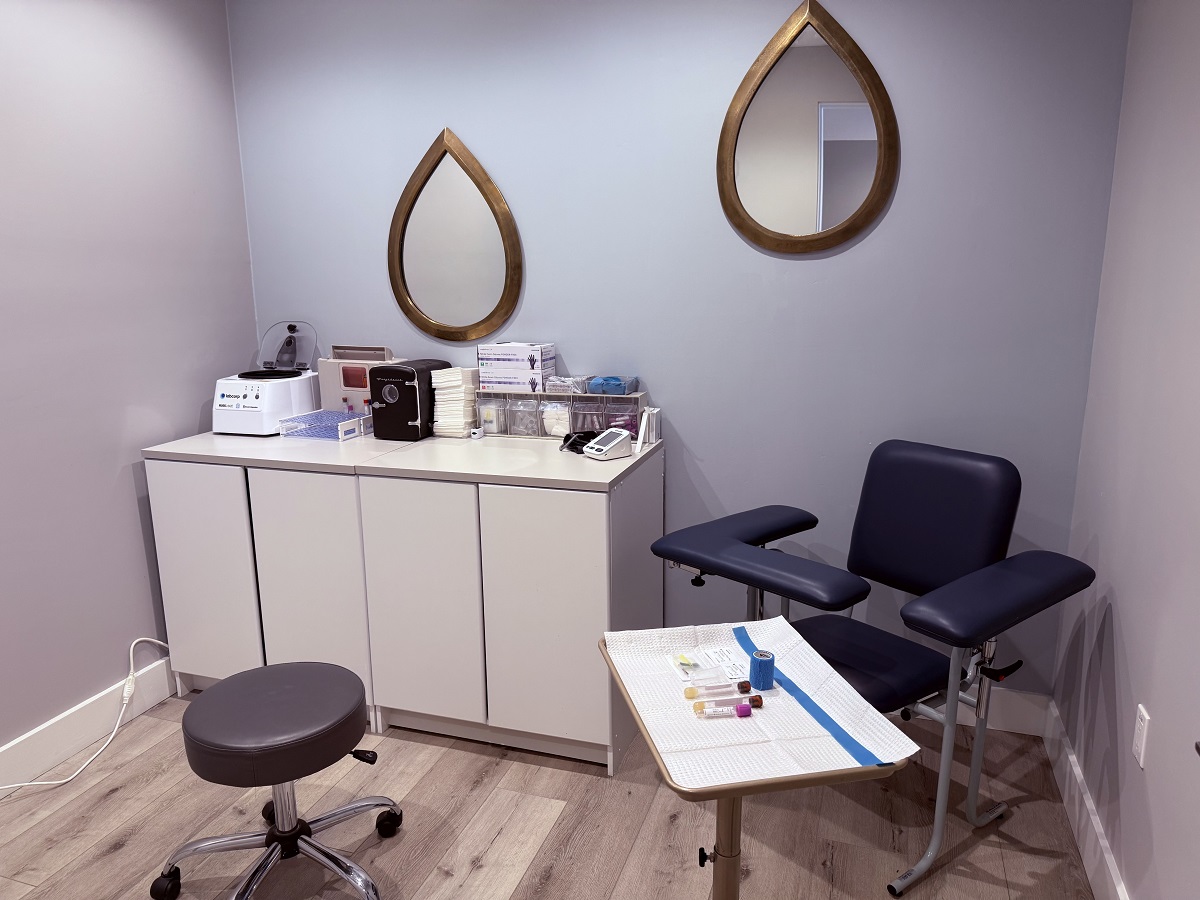
Testosterone replacement trt clinic La Jolla therapy sits in an awkward space in public conversation. Some people treat it like a shortcut for aging. Others assume it is only for bodybuilders or men chasing cosmetic results. In practice, the reality is much more clinical and much more nuanced. Low testosterone can affect energy, mood, sexual function, muscle mass, sleep, concentration, and recovery. It can also overlap with stress, poor sleep, weight gain, depression, thyroid problems, medication side effects, and chronic illness. That overlap is exactly why timing matters. The question is not simply whether you feel tired. The question is when those changes become persistent enough, and specific enough, to justify an evaluation at a reputable trt clinic La Jolla patients can trust.
Many men wait too long because they assume they are just getting older. Others seek treatment too early, before they have enough evidence to separate a rough month from a true hormonal problem. The right moment to get help usually falls somewhere between those two extremes. It starts when symptoms stop feeling occasional and begin affecting work, relationships, health habits, or quality of life in a measurable way.
What low testosterone actually looks like in real life
The textbook symptoms are familiar. Low libido, fewer morning erections, fatigue, reduced strength, irritability, brain fog, and difficulty maintaining muscle are common. But in a clinic setting, symptoms rarely arrive as a neat package. One man notices he cannot recover from workouts that used to feel routine. Another says he is sleeping eight hours and still feels drained by 10 a.m. Someone else comes in because his motivation has flattened out and his partner has noticed a change in his mood before he has.
A common pattern is gradual decline. Men often describe it as feeling less like themselves over the course of a year or two. They are still functioning, still working, still handling responsibilities, but with more friction. Their workouts produce less return. Body fat, especially around the waist, becomes harder to control. Sex drive slips. Focus gets patchy. That accumulation matters more than any single bad week.
Age can play a role, but age alone does not explain everything. Testosterone does tend to decline gradually in many men over time. Even so, meaningful symptoms deserve attention because the severity of those symptoms varies widely. A healthy man in his 50s may feel sharp, energetic, and strong. A man in his late 30s may already be struggling with hormonal issues driven by sleep apnea, obesity, insulin resistance, medications, or an undiagnosed pituitary problem. The calendar does not tell the whole story.
The point where “I’m just tired” stops being enough
Most people should not rush into hormone treatment after a few sluggish weeks. Life gets messy. Travel disrupts sleep. New parenthood changes everything. A demanding quarter at work can tank energy and libido for reasons that have nothing to do with testosterone. Short-term symptoms deserve observation first.
The time to seek help is when the pattern becomes steady and hard to explain away. If symptoms persist for several months, especially when they are paired with changes in sexual function, physical performance, mood, or body composition, an evaluation becomes reasonable. This is particularly true if you have already tried the obvious fixes, such as improving sleep, cleaning up alcohol intake, exercising consistently, and addressing major stressors, but you still feel off.
There is also a difference between low energy and systemic change. Someone who feels worn down but still has a normal sex drive, good strength, and solid mental clarity may need a broader health workup before focusing on testosterone. On the other hand, someone with fatigue plus erectile changes, low libido, and declining muscle retention has a more suggestive pattern. That does not confirm low testosterone, but it raises the level of suspicion.
Symptoms that deserve a proper workup
When men ask whether it is time to visit a clinic, I usually advise them to look for clusters rather than isolated complaints. One symptom can come from many causes. A cluster is more informative.
- Persistent fatigue despite adequate sleep
- Reduced libido or fewer spontaneous erections
- Loss of strength, endurance, or muscle despite training
- Brain fog, low motivation, or irritability
- Increased body fat, especially with slower recovery
A single item on that list is not enough to diagnose anything. Three or four of them, lasting for months, should not be ignored.
There are also edge cases worth mentioning. Men who have had a vasectomy sometimes wrongly assume hormonal shifts caused later symptoms. A vasectomy does not lower testosterone. Men under heavy caloric restriction can see hormonal changes that may reverse when nutrition normalizes. Men using opioids, certain antidepressants, or long-term steroids may develop low testosterone as a secondary effect. These details matter because treatment depends on the cause, not just the lab number.
Why blood work matters more than guesswork
No responsible clinic should prescribe testosterone based on symptoms alone. Symptoms matter, but they are not specific. Good evaluation starts with history, physical exam, and lab testing done correctly. Testosterone levels fluctuate across the day and can vary from one test to another. Morning labs are typically more useful, especially in younger men. If a result comes back low, repeat testing is often appropriate before any long-term decision is made.
A thorough workup often looks beyond total testosterone. Free testosterone may help in context. Estradiol, luteinizing hormone, follicle-stimulating hormone, complete blood count, comprehensive metabolic markers, thyroid testing, and sometimes prolactin can clarify what is happening. If fertility matters, that needs to be discussed before treatment begins, because exogenous testosterone can suppress sperm production.
This is one of the clearest signs that it is time to seek help from a trt clinic La Jolla residents respect for medical oversight rather than quick prescriptions. A serious clinic investigates causes. It does not reduce your health to a single number pulled from a lab slip.
The signs that you should not keep self-diagnosing online
The internet has made hormone discussions both easier and more confusing. Men often read symptom lists, take online quizzes, and start to believe they have found the answer. Sometimes they have. Often they have found only part of it.
Self-diagnosis becomes risky when it delays real care. If you are experiencing erectile dysfunction, severe fatigue, low mood, sleep disturbance, or unexplained physical decline, those symptoms can point to cardiovascular issues, diabetes, sleep apnea, depression, thyroid disease, medication effects, or hormonal problems. Treating yourself with supplements while ignoring the bigger picture can cost time and worsen the real issue.
Online testosterone boosters deserve particular skepticism. Some are harmlessly ineffective. Others contain poorly regulated ingredients. A few may interfere with liver function or interact with medications. More importantly, they can create false reassurance. Men stay on them for months while the underlying problem remains untreated.
Fertility changes the conversation
One of the most important reasons to see a true medical provider instead of chasing treatment through ads is fertility. Men who may want children often do not realize that testosterone replacement can lower sperm production significantly. That suppression can be temporary, but not always on the timeline a couple wants.
This does not mean low testosterone should go untreated in younger men. It means the treatment plan has to fit the goal. In some cases, clinicians explore alternatives or supportive strategies that account for fertility concerns. In others, sperm preservation and timing discussions become part of the plan. The point is simple: if future fertility matters, say it early and say it clearly.
I have seen more than one man focus entirely on low energy and libido, only to realize later that he never asked how treatment might affect family planning. That conversation should happen before the first prescription, not after.
When lifestyle changes are enough, and when they are not
Not every case of suspected low testosterone ends with TRT, and that is a good thing. Some men improve dramatically after losing excess weight, reducing alcohol, treating sleep apnea, managing diabetes, or correcting chronic sleep deprivation. In those situations, the best clinic is not the one that prescribes fastest. It is the one that can tell the difference between a temporary hormonal dip and a more persistent deficiency.
That said, lifestyle advice can also be used as a stall tactic when symptoms are significant and blood work is clearly abnormal. Telling a symptomatic patient with repeatedly low morning testosterone to “sleep more and work out” is not nuanced medicine. It is avoidance.
The trade-off is judgment. A man sleeping five hours per night, drinking heavily on weekends, and carrying untreated sleep apnea may need lifestyle intervention before anyone can fairly interpret his hormonal status. A man who already trains, sleeps reasonably well, eats well, and still has persistent symptoms with confirmed low levels deserves a more direct discussion.
What a good clinic approach should look like
The quality gap between clinics is real. Some centers take a thoughtful, measured approach. Others are built around speed, convenience, and recurring subscription revenue. If you are searching for a trt clinic La Jolla has several types of practices, from anti-aging storefronts to more comprehensive medical offices. The differences matter.
A strong clinic should listen carefully, order appropriate labs, explain risks and benefits in plain language, and create a monitoring plan. It should ask about sleep, exercise, stress, medications, fertility goals, cardiovascular history, and baseline symptoms. It should be willing to say no if your numbers and history do not support treatment. That restraint is often a sign of quality, not a lack of options.
Treatment without follow-up is a red flag. Testosterone therapy can affect hematocrit, estradiol balance, acne, mood, blood pressure in some cases, and fertility. It requires periodic reassessment. Dosing is not guesswork. Monitoring is not optional.
Questions worth asking at your first visit
A first appointment goes better when you know what to ask. These questions usually reveal whether a clinic is practicing medicine or simply selling a service.
- How do you confirm low testosterone before treatment?
- What labs do you check besides total testosterone?
- How will therapy affect fertility, if that matters to me?
- How often do you monitor blood work after treatment starts?
- What symptoms or side effects should prompt a dose adjustment?
A careful answer to those questions tells you more than polished marketing ever will.
The role of age, fitness, and appearance
One persistent misconception is that men who look fit cannot have low testosterone. That is not true. Some men mask symptoms well because they have discipline, strong routines, and years of training behind them. They may still notice subtle but meaningful changes, slower recovery, reduced drive, shrinking performance margins, and a harder time staying lean on the same program that worked before.
The opposite misconception is equally common. Men who gain weight sometimes assume low testosterone caused everything. In reality, weight gain and low testosterone can feed each other. Extra body fat, especially visceral fat, can worsen hormonal balance. Lower testosterone can then make it harder to maintain muscle and metabolic health. The causal arrows go both ways. That is why blunt assumptions rarely help.
Appearance can mislead clinicians too. A man with a good physique may be brushed off because he looks healthy. A man with central weight gain may be pushed toward testosterone before anyone addresses sleep apnea or insulin resistance. The better clinics look past appearances and focus on patterns, labs, and outcomes.
Red flags that should prompt faster evaluation
Sometimes the question is not whether to seek help, but how quickly. If symptoms are severe, rapid in onset, or paired with unusual findings, a more urgent workup may be needed. Sudden loss of libido, major erectile dysfunction, breast tenderness, headaches with vision changes, markedly reduced body hair, or symptoms after head trauma deserve timely attention. These do not always signal a serious condition, but they are not routine “aging” complaints either.
The same applies to men with a history of testicular injury, chemotherapy, pituitary disorders, or long-term opioid use. Those histories raise the odds of a genuine endocrine problem. In those cases, waiting six more months to “see what happens” rarely adds value.
What treatment can and cannot do
Men often ask what life looks like after starting therapy. A realistic answer is important. Appropriate TRT can improve energy, libido, erectile function in some men, body composition, mood, and recovery, especially when symptoms truly stem from deficiency. But it is not magic. It does not automatically fix poor sleep, chronic stress, unhealthy diet, inactivity, or relationship strain. It also does not create 25-year-old physiology in a 55-year-old body.
The men who do best usually treat TRT as one part of a broader health strategy. They continue resistance training. They manage sleep. They watch alcohol. They follow up with labs. They pay attention to blood pressure, red blood cell counts, and how they actually feel over time. They understand that the goal is not simply a higher number. The goal is better function with acceptable risk.
This is where experience matters. Over-treatment can create its own problems, including elevated hematocrit, acne, mood volatility, or a cycle of constantly chasing lab values. Under-treatment can leave symptoms untouched. The art lies in adjusting care to the patient, not the sales model.
Why geography and lifestyle in La Jolla can shape the decision
La Jolla has a health-conscious culture. People stay active later in life, and that can be a benefit because baseline habits are often stronger. It also means changes become noticeable sooner. A man who surfs, lifts, golfs, or hikes regularly will often pick up on performance decline faster than someone who is mostly sedentary. He notices that paddling feels heavier, rounds leave him drained, or recovery stretches from a day to three.
That local context can sharpen the question of when to visit a trt clinic La Jolla patients may not be seeking treatment to chase aesthetics. They may be trying to maintain the energy and physical resilience needed for a lifestyle they value. That is a legitimate reason to seek evaluation, as long as the process remains medical and evidence-based.
At the same time, a wellness-focused environment can normalize over-treatment. When peers talk openly about hormones, peptides, and optimization, it becomes easy to assume everyone should be on something. They should not. Symptoms, labs, personal risk, and long-term goals still matter more than local trends.
Knowing when it is time
The clearest signal is not one dramatic moment. It is a pattern that persists. You feel different in ways that affect your work, your training, your relationships, or your sense of self. You have given the basics a fair effort. The symptoms are not fading. Your sexual function, energy, strength, mood, or concentration have changed enough that “just getting older” no longer feels like a satisfying answer.
That is the point where a professional evaluation makes sense. Not because testosterone is the automatic solution, but because guessing has stopped being useful. A reputable clinic can help determine whether low testosterone is truly the issue, whether another condition is being missed, and whether treatment, monitoring, and long-term planning are appropriate for your situation.
For men in that gray zone, the best next step is not another supplement order or another few months of denial. It is a proper assessment from a qualified medical team that treats hormone health like medicine, not marketing.
SDBody La Jolla
7710 Fay Ave, La Jolla, CA 92037
+1 858-401-2383
FAQ About trt clinic La Jolla
How much should my TRT cost?
TRT costs depend on the clinical evaluation, medication, laboratory testing, and follow-up plan. Ask for an itemized estimate that includes the initial visit and ongoing monitoring. SDBody La Jolla can explain its current fees after discussing the services being considered.
Will Insurance Pay for TRT in La Jolla?
Coverage depends on your plan, diagnosis, prescribed treatment, and provider network. Ask your insurer about medical necessity requirements, prior authorization, laboratory coverage, and out-of-pocket costs. Confirm SDBody La Jolla's billing arrangements directly; insurance payment is not guaranteed.
Is TRT safer than steroids?
Testosterone is itself an anabolic steroid. Clinician-prescribed replacement for confirmed testosterone deficiency differs from nonmedical steroid use, but it still carries risks and requires monitoring. Possible concerns include increased red blood cell levels and reduced sperm production. Discuss your medical history and fertility goals with a qualified clinician before considering treatment.