TRT Replacement Therapy Near Me: What First-Time Patients Need to Know

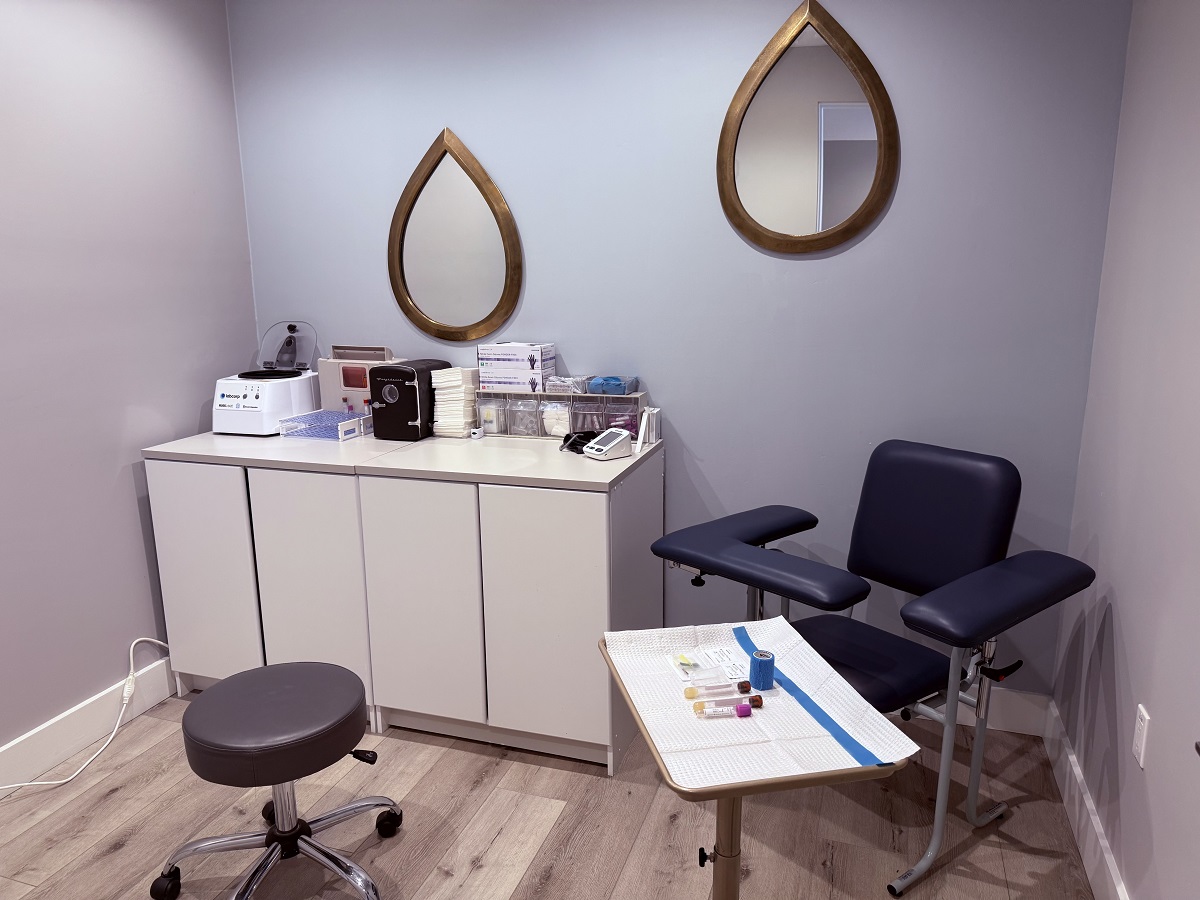

Searching for Trt replacement therapy near me usually starts the same way. A man in his late 30s, 40s, or 50s feels off for months, sometimes years. Energy is down. Recovery from workouts drags. Libido drops. Mood flattens out. Sleep gets lighter, not better. He chalks it up to stress, age, long work hours, or poor habits, then realizes the usual fixes are not fixing much.
That moment matters, because testosterone replacement therapy is not a wellness trend and it is not something to start casually. It can be appropriate, helpful, and life-changing for the right patient. It can also be handled badly, oversold, or started before the basics have been evaluated. First-time patients do best when they approach it with curiosity, patience, and a clear understanding of what a proper workup actually looks like.
The first question is not where to go, it is whether TRT fits the problem
Low testosterone symptoms overlap with half a dozen common issues. Poor sleep can crush testosterone and energy. So can excess body fat, untreated sleep apnea, heavy alcohol use, certain medications, depression, overtraining, and chronic calorie restriction. I have seen men convinced they needed TRT when the real culprit was severe sleep apnea. I have also seen the opposite, men spend two years trying supplements and cold plunges when their labs and symptoms clearly showed true hypogonadism.
A good clinic does not jump straight to a prescription after one conversation. It starts by asking better questions. When did symptoms begin? Was there weight gain, fertility concerns, erectile dysfunction, reduced morning erections, irritability, low motivation, brain fog, or loss of muscle mass? Are there headaches, visual changes, testicular injury, prior anabolic steroid use, opioid use, or a history that points toward a pituitary issue? These details help separate general fatigue from a hormonal problem that deserves medical treatment.
Lab work matters just as much as symptoms. Testosterone levels fluctuate through the day, so timing and repetition matter. Most experienced clinicians want morning testing and, in many cases, more than one result before making a diagnosis. They also look beyond total testosterone. Depending on the case, they may order free testosterone, sex hormone-binding globulin, luteinizing hormone, follicle-stimulating hormone, estradiol, complete blood count, prostate-specific antigen when appropriate, thyroid markers, metabolic markers, and sometimes prolactin. The point is not to generate paperwork. The point is to avoid treating the wrong problem.
What a good local TRT clinic should feel like
People often ask whether they should see a primary care doctor, a urologist, an endocrinologist, or a specialized men's health clinic. There is no single right answer. What matters is the quality of evaluation and follow-up.
A strong clinic usually has a few traits in common. The staff can explain why they are recommending therapy, not just what they are selling. They talk through benefits and risks in plain language. They do not promise that testosterone will solve every problem from belly fat to marriage stress. They ask about future fertility before treatment begins. They have a process for monitoring labs and symptoms over time. They also make room for dose adjustments rather than locking every patient into the same protocol.
The clinics that raise concerns tend to move too fast. If a place markets testosterone like a spa package, guarantees immediate transformation, or barely discusses side effects, that should make you pause. So should a provider who dismisses questions about blood counts, estradiol, fertility, or cardiovascular history. Good hormone care is individualized medicine. Cookie-cutter medicine tends to create messy follow-up.
The consultation should be more detailed than most people expect
Many first-time patients assume the first visit will end with an injection and a follow-up date. Sometimes that happens, but it should only happen after enough groundwork has been done. In a proper consultation, a clinician usually takes a history that covers more than sexual health and fatigue. They will ask about sleep quality, snoring, alcohol intake, training habits, body composition changes, stress level, medications, and family history.
Expect a direct conversation about reproductive plans. This is one of the most overlooked pieces of TRT counseling. Standard testosterone replacement can reduce sperm production, sometimes significantly. Men who may want children in the near future need a different conversation from men who have completed their families. That does not automatically rule out treatment, but it changes the strategy.
Expect the discussion to include realistic expectations. Testosterone is not caffeine. It does not produce overnight effects just because the first injection went well. Some men notice libido or mental clarity early. Others notice gradual improvements over several weeks. Body composition and strength changes take longer, especially if sleep, nutrition, and training are still poor. A responsible clinician sets a timeline that matches actual biology rather than marketing copy.
Delivery methods are not all the same
The form of testosterone you use changes the rhythm of treatment and, sometimes, how stable you feel on it. Injections are common because they are effective and often less expensive than topical options. Gels and creams can work well for some patients who prefer to avoid needles, but absorption varies and there is the practical issue of transfer to partners or children through skin contact if precautions are ignored. Pellets appeal to people who do not want frequent dosing, though they are less flexible when dose adjustments are needed.
The best choice depends on lifestyle, preference, cost, and how sensitive a patient is to hormone swings. A patient who travels often may prefer one approach over another. Someone who wants easier dose tuning may do better with a method that allows finer adjustments. This is where local experience helps. A clinician who has managed hundreds of patients can often predict which option will fit the patient in front of them, not just the average person in a brochure.
What treatment can improve, and what it cannot
When TRT is truly indicated and managed well, the gains can be substantial. Men commonly report better libido, stronger erections, improved energy, greater training recovery, more stable mood, and a return of drive that had been missing for years. Some see lean mass increase and fat mass decrease over time, especially if they also clean up sleep and nutrition. Others mainly notice that they feel more like themselves, which sounds vague until you hear how many had stopped recognizing their own baseline.
Still, testosterone has limits. It will not erase severe sleep debt. It will not fix a bad marriage, untreated anxiety, or a diet built on takeout and alcohol. It does not replace resistance training. It does not exempt a patient from cardiovascular risk management. Men who expect TRT to do the work of a healthy routine usually end up disappointed and overmedicated.
This is one of the reasons thoughtful clinics often sound less exciting than aggressive marketers. Serious providers know testosterone can help, but they also know where the line is. They want the hormone to support health, not become a substitute for it.
Side effects and trade-offs deserve a straight answer
No one benefits from scare tactics, and no one benefits from downplaying risk either. The most common issues in practice are not dramatic, but they do matter. Acne can flare. Fluid retention can happen. Some men notice breast tenderness or mood changes if estrogen-related symptoms develop. Blood counts can rise, which is why monitoring hematocrit is standard. Sleep apnea can worsen in susceptible patients. Fertility can decline. Hair loss may accelerate in men who are already genetically prone to it.
There are also practical trade-offs. You are not just taking a pill and walking away. TRT becomes an ongoing medical relationship. It requires labs, follow-up, adjustments, and a willingness to notice how you feel beyond the first few weeks. If you dislike structure, travel constantly without planning, or avoid routine healthcare, treatment can become more frustrating than expected.
Cardiovascular concerns are often the first thing patients ask about. The truth is that the conversation is more nuanced than internet arguments make it sound. Risk depends on the patient, the indication, baseline health, dose, and quality of monitoring. A clinician should be willing to discuss your personal risk profile in detail, especially if you have high blood pressure, a history of clotting issues, established heart disease, or a strong family history.
Cost is not just the sticker price
One of the most common surprises for first-time patients is that the monthly fee they saw online is not the full cost picture. Even when testosterone itself is reasonably priced, there may be consultation fees, repeat lab costs, supplies, medication for symptom management if needed, and follow-up appointments. Insurance coverage varies widely by provider and diagnosis. Some local clinics work mostly cash-pay. Others run parts of treatment through insurance and parts outside it.
A cheap program can become expensive if it leads to poor control, unnecessary add-on medications, or frequent problem visits. An expensive program is not automatically better either. The real question is value. Are you getting careful diagnostics, access to a knowledgeable clinician, consistent follow-up, and a protocol that makes medical sense? That is worth more than a flashy website and a discount on the first month.
When patients search for Trt replacement therapy near me, location matters for convenience, but convenience should not outrank competence. A clinic fifteen minutes away that runs poor protocols is not a better option than a strong practice a bit farther out, especially at the start.
The first three to six months tell you a lot
The early phase of TRT is where good medicine separates itself from autopilot. Doses often need adjustment. Symptoms and lab values do not always move in lockstep. A patient may feel better before numbers fully stabilize, or feel strangely flat despite "normal" labs. This is where a clinician's judgment becomes more valuable than any online forum.
Monitoring should be built into the plan from the start. You want to know what symptoms are being tracked, when labs will be repeated, and what changes would trigger a dose adjustment or a broader reassessment. If a patient develops headaches, flushing, shortness of breath, major mood shifts, or worsening sleep problems, the answer should not be "give it time" without further evaluation.
This period also reveals whether the original diagnosis was solid. Sometimes testosterone rises and the patient feels meaningfully better. That supports the decision. Sometimes numbers improve but the patient still feels exhausted, foggy, and flat. In that case, a good clinician reopens the differential rather than simply escalating the dose. I have seen iron deficiency, thyroid disease, severe anxiety, and medication side effects hide behind presumed "low T." Hormones are important, but they are not the whole map.
Red flags that should make you slow down
A first-time patient rarely knows what counts as normal variation and what counts as poor care. That uncertainty is exactly why some clinics get away with bad habits. If any of the following show up, it is reasonable to step back and get another opinion.
- You are offered TRT after minimal history and only one rushed lab review.
- No one asks about fertility plans before treatment starts.
- The clinic uses nearly identical doses for everyone and cannot explain why.
- Follow-up labs are vague, delayed, or treated as optional.
- Staff promise dramatic transformation without discussing limits or side effects.
None of these guarantee bad care on their own, but together they often point to a sales-first model. Hormone therapy should feel medical, not theatrical.
Questions worth asking before you commit
Patients often freeze during consultations and remember their important questions in the parking lot. It helps to go in with a short list that gets to the heart of how the clinic practices.
- What diagnosis are you treating, and what evidence supports it in my case?
- How will this affect fertility, and what are the alternatives if I want children?
- What labs will you monitor, and how often?
- What side effects do you see most often in your patients?
- How do you adjust treatment if symptoms and labs do not match?
Those questions are not confrontational. Experienced clinicians usually welcome them because they show the patient understands this is a real medical decision.
Lifestyle still matters, even with the right prescription
One of the quieter truths about TRT is that it works better in a body that is not fighting itself. Men who improve sleep, reduce alcohol, lift consistently, eat enough protein, and manage body fat tend to get more stable, more satisfying results. Men who stay sedentary, sleep five hours, and use testosterone as a rescue rope often end up chasing symptoms with dose changes.
Sleep deserves special emphasis. If you snore heavily, wake unrefreshed, or feel sleepy during the day, ask about screening for sleep apnea before or during evaluation. Untreated apnea can lower testosterone, worsen fatigue, and complicate treatment after you start. This is not a side issue. In real practice, it is one of the most common reasons men feel less benefit than expected.
Weight also changes the hormonal picture. Excess body fat can affect testosterone levels, estrogen conversion, insulin sensitivity, and inflammation. That does not mean every man should "just lose weight" before being taken seriously. It means the best care plans usually address both hormone status and the underlying metabolic environment.
The emotional side is real, and often underestimated
Men do not always talk openly about what low testosterone symptoms feel like. The loss of confidence can be subtle but significant. A patient may stop initiating intimacy because he is worried he will not perform well. He may skip workouts Trt replacement therapy near me because recovery has become so poor that training feels punishing rather than rewarding. He may become more irritable at home and less assertive at work without connecting those shifts to how depleted he feels physically.
That is part of why a careful diagnosis matters. When the issue is truly hormonal, treatment can relieve a burden that has affected far more than libido or gym performance. When the issue is something else, putting a testosterone label on it delays the real answer. Either way, the patient deserves clarity, not guesswork.
Choosing local care with your eyes open
There is value in local treatment when it is done well. You can get in-person exams, face-to-face coaching on injections or application, easier lab coordination, and a direct point of contact if something changes. For many first-time patients, that reassurance is worth a lot. It turns a confusing internet search into an actual therapeutic relationship.
The smartest way to approach the search is to resist urgency. Do not let embarrassment rush you. Do not let flashy branding substitute for medical quality. Read how the clinic describes diagnosis, not just outcomes. Notice whether they talk about monitoring, fertility, and individualized care. Pay attention to whether the first visit feels like a conversation or a sales funnel.
If you are looking up Trt replacement therapy near me, you are probably not just shopping for convenience. You are trying to understand why you feel different, and whether there is a responsible path back to feeling better. Start there. The right clinic will meet that seriousness with its own.
SDBody La Jolla
Address: 7710 Fay Ave, La Jolla, CA 92037
Phone number: +18584012383
FAQ About Trt replacement therapy near me
Will insurance pay for TRT therapy in La Jolla, CA?
Coverage varies by plan and may depend on the diagnosis, blood test results, medication and prior authorization. Ask your insurer which visits, lab tests and formulations it covers and what you would pay out of pocket.
What is the most affordable TRT clinic in La Jolla?
Compare written estimates for the initial visit, lab work, medication and follow-up monitoring. Your total cost will depend on your insurance and the care your clinician recommends.
Is TRT replacement good for you in La Jolla, CA?
Testosterone replacement may help some people with symptoms and consistently low testosterone confirmed by blood tests. A clinician can review the potential benefits, risks, fertility plans and monitoring needs before recommending treatment.